

Inside The Story
Nineteenth-century Parisian opera was defined by grandeur, spectacle and opulence, with audiences flocking to stories set in exotic worlds filled with magic, romance and myth. Charles Gounod was already one of the city’s most beloved composers — Faust had enjoyed an extraordinary opening run of 300 performances — and the Théâtre Lyrique naturally turned to him when seeking another major hit.
For the ninth of his fourteen operas, Gounod found the perfect dramatic material. One of the most influential French composers of his era, he was admired for lyrical elegance, refined orchestration and a distinctive melodic gift that shaped both French opera and the development of the mélodie.
Earlier operatic treatments of Shakespeare’s play often leaned into the political conflict, using the feud between the Montagues and Capulets to comment on civic authority, religious tensions and the shocking double suicide at the end. Many 19th-century versions even attempted to soften or rewrite the tragic finale to avoid offending audiences.
Gounod chose a different path. He shifted the focus away from political strife and towards the intimate emotional world of the lovers themselves. He wrote music of surprising dramatic weight for such young characters, giving Roméo and Juliette four expansive love duets and infusing the entire opera with lyrical radiance. And in true operatic fashion, Gounod reshaped the ending: instead of dying separately as in Shakespeare, the lovers share a final duet — a moment in which their voices, and their fates, are joined forever.
Before
the curtain
Beyond our stage
A Look at the MET OPERA Production
The 2023–24 Metropolitan Opera production starred Nadine Sierra as Juliette, Benjamin Bernheim as Roméo, Will Liverman as Mercutio, Frederick Ballentine as Tybalt, Samantha Hankey as Stéphano, and Alfred Walker as Frère Laurent.
Photo credits: Marty Sohl
Meet The Artistic Team
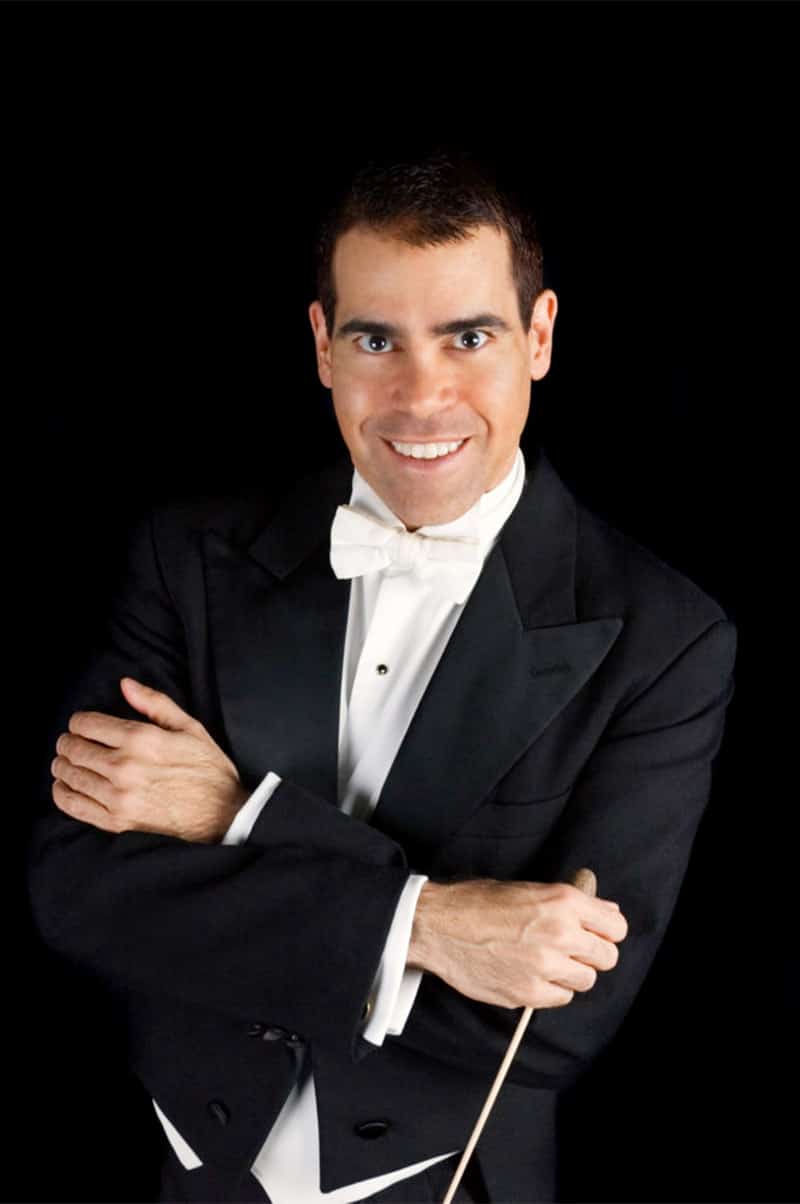
Kamal Khan
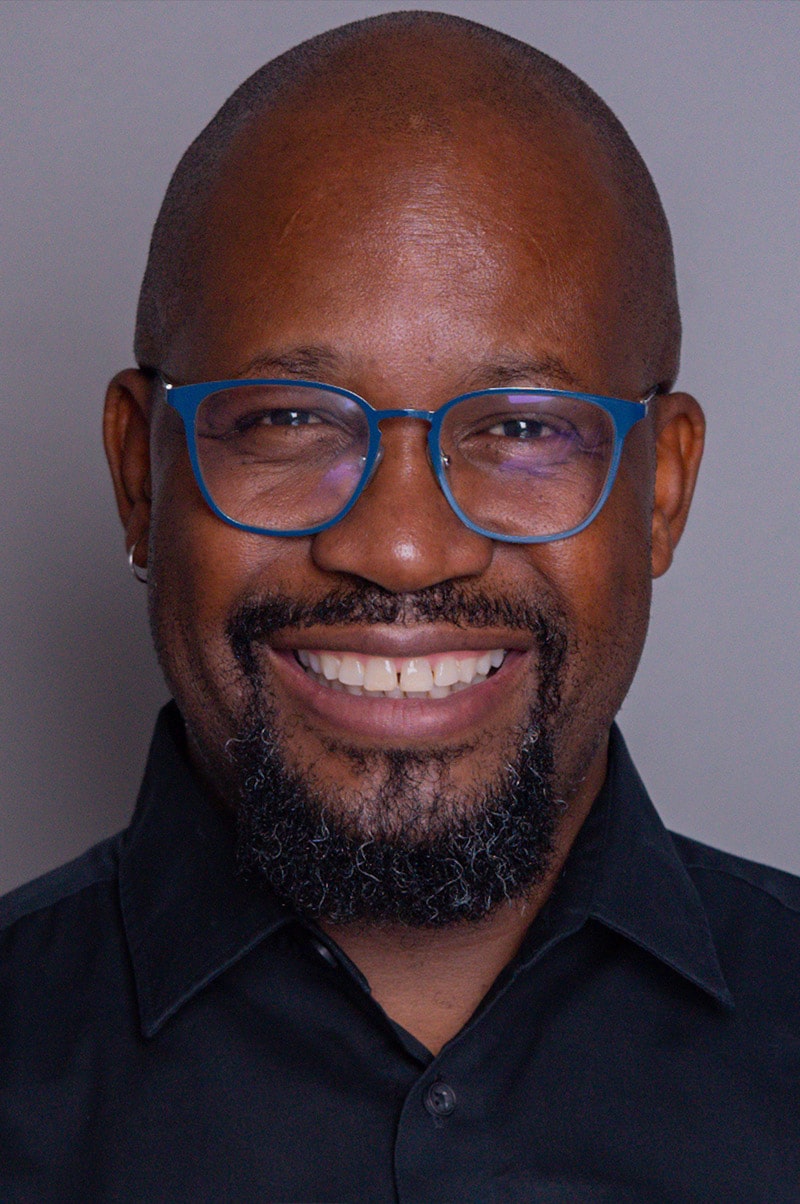
Dr Marcus Desando

Leopold Senekal
Leopold Senekal
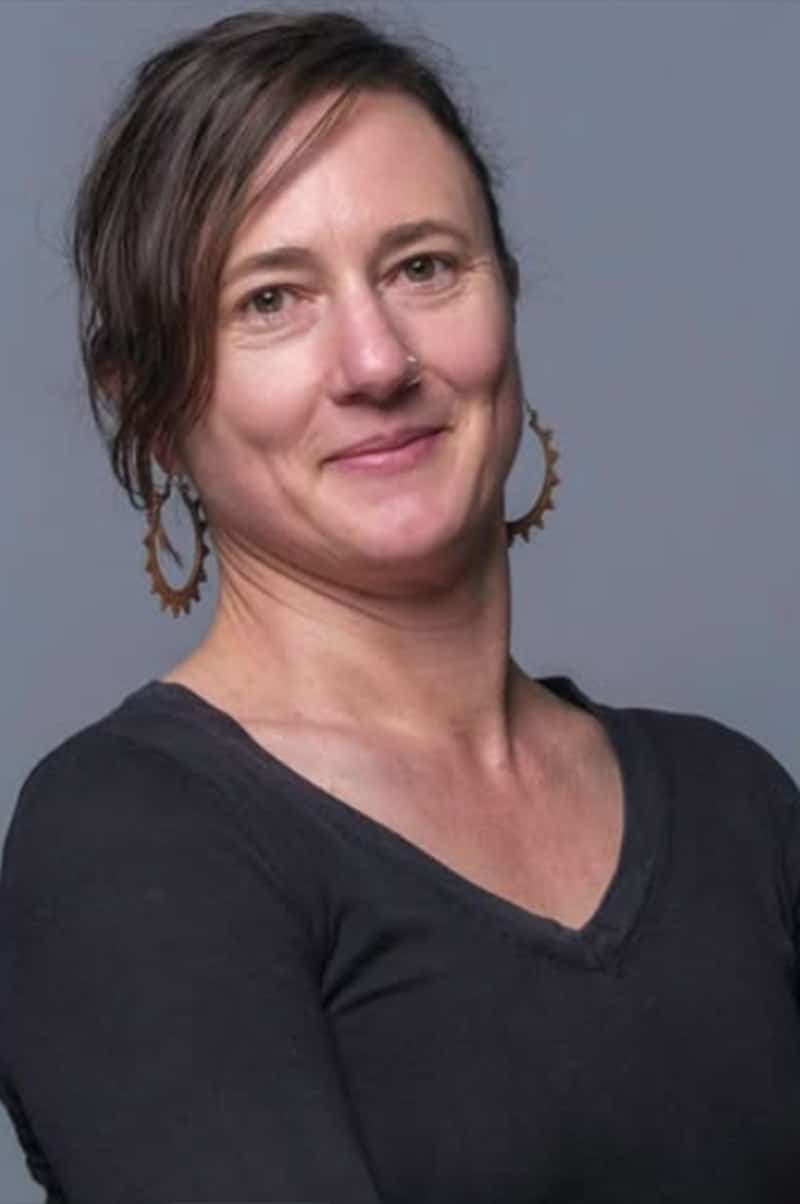
Kirsti Cumming
Meet The Cast

Lukhanyo Moyake
Roméo
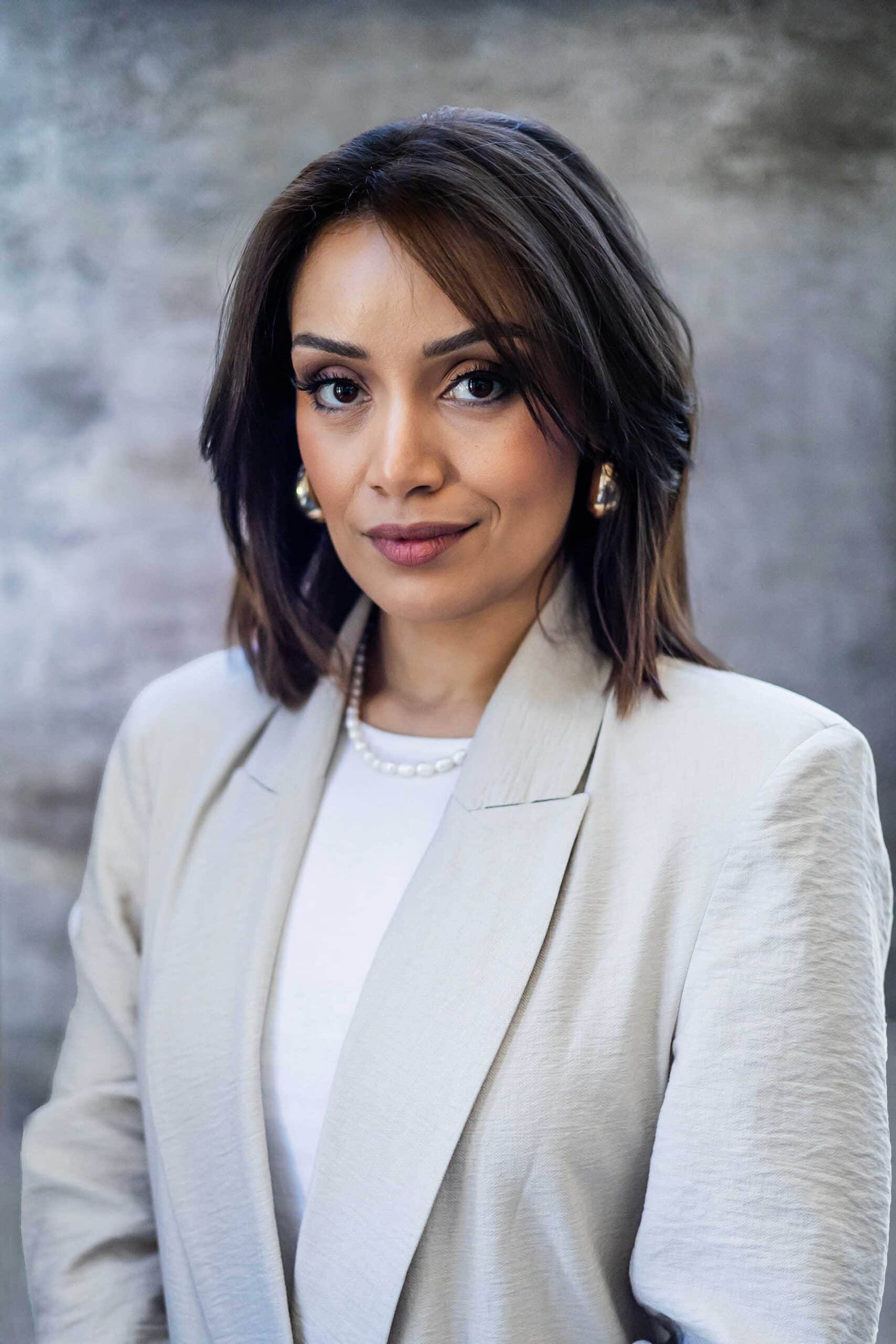
Brittany Smith
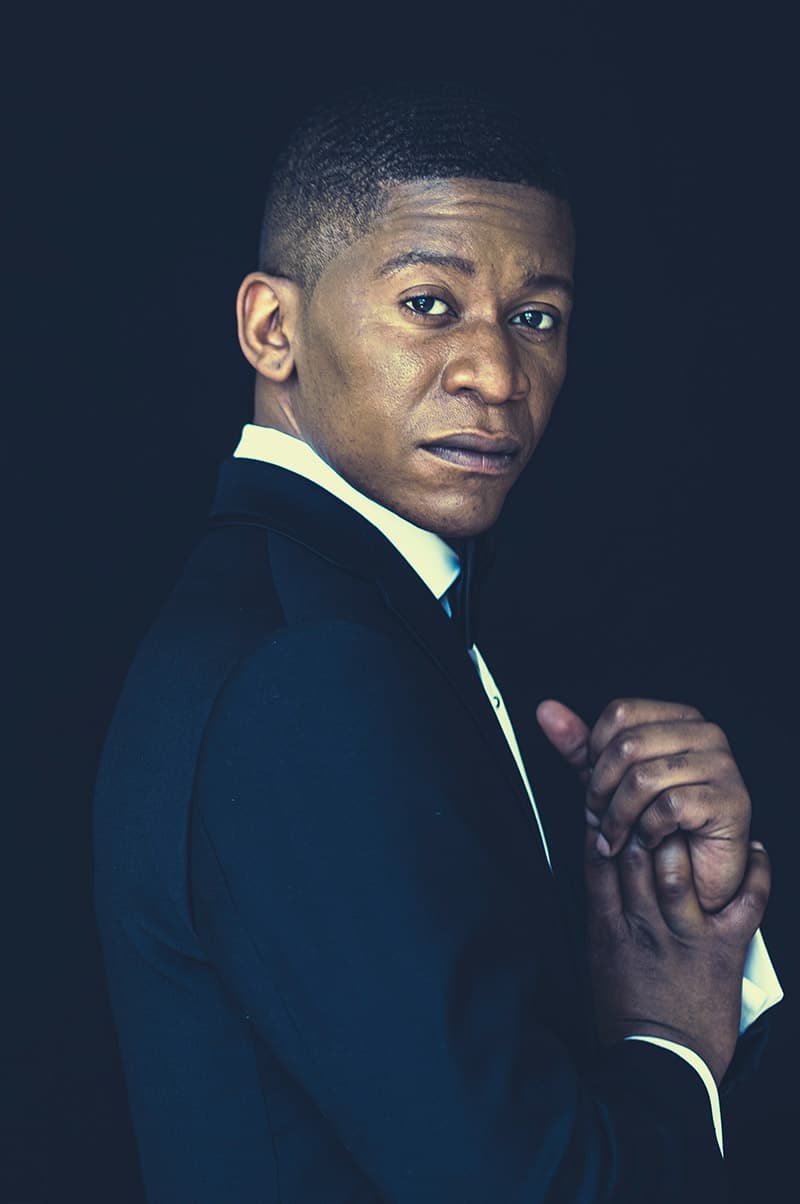
Msimelelo Mbali

Riaan Hunter

Nica Reinke
Stephano

Conroyy Scott
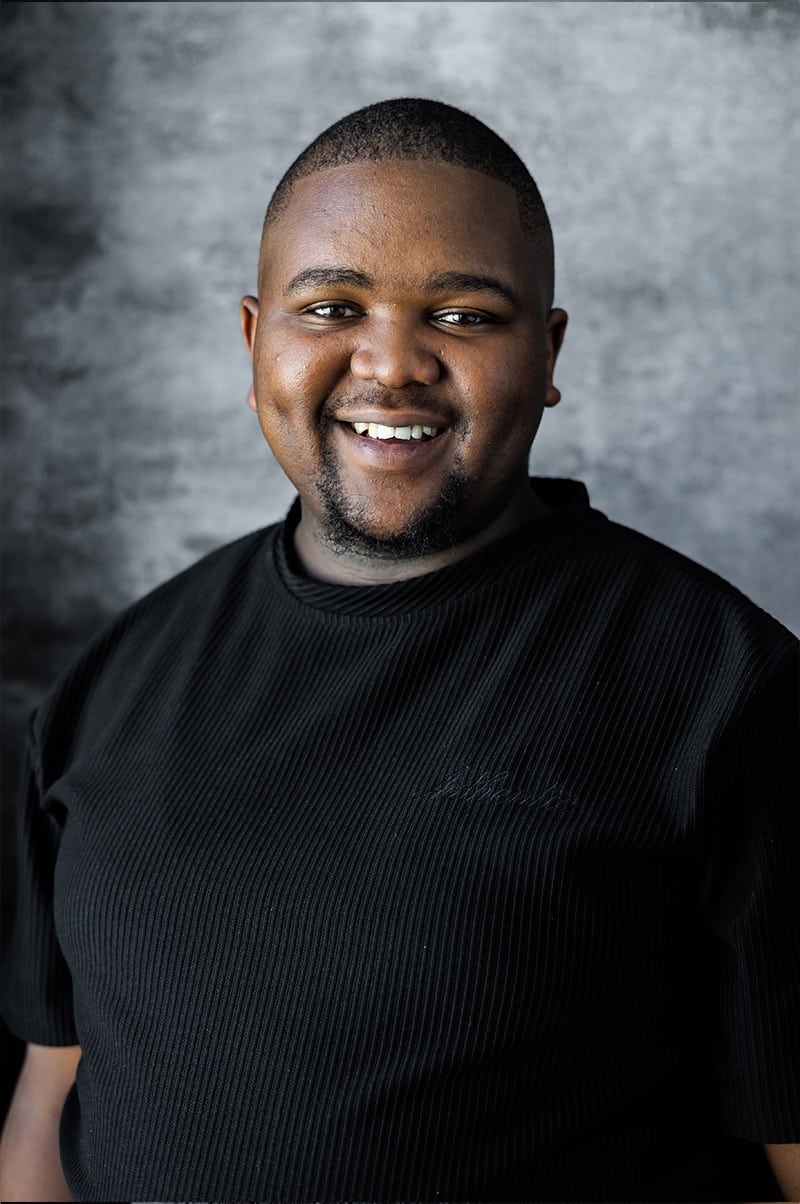
Thandolwethu Logo
Tybalt
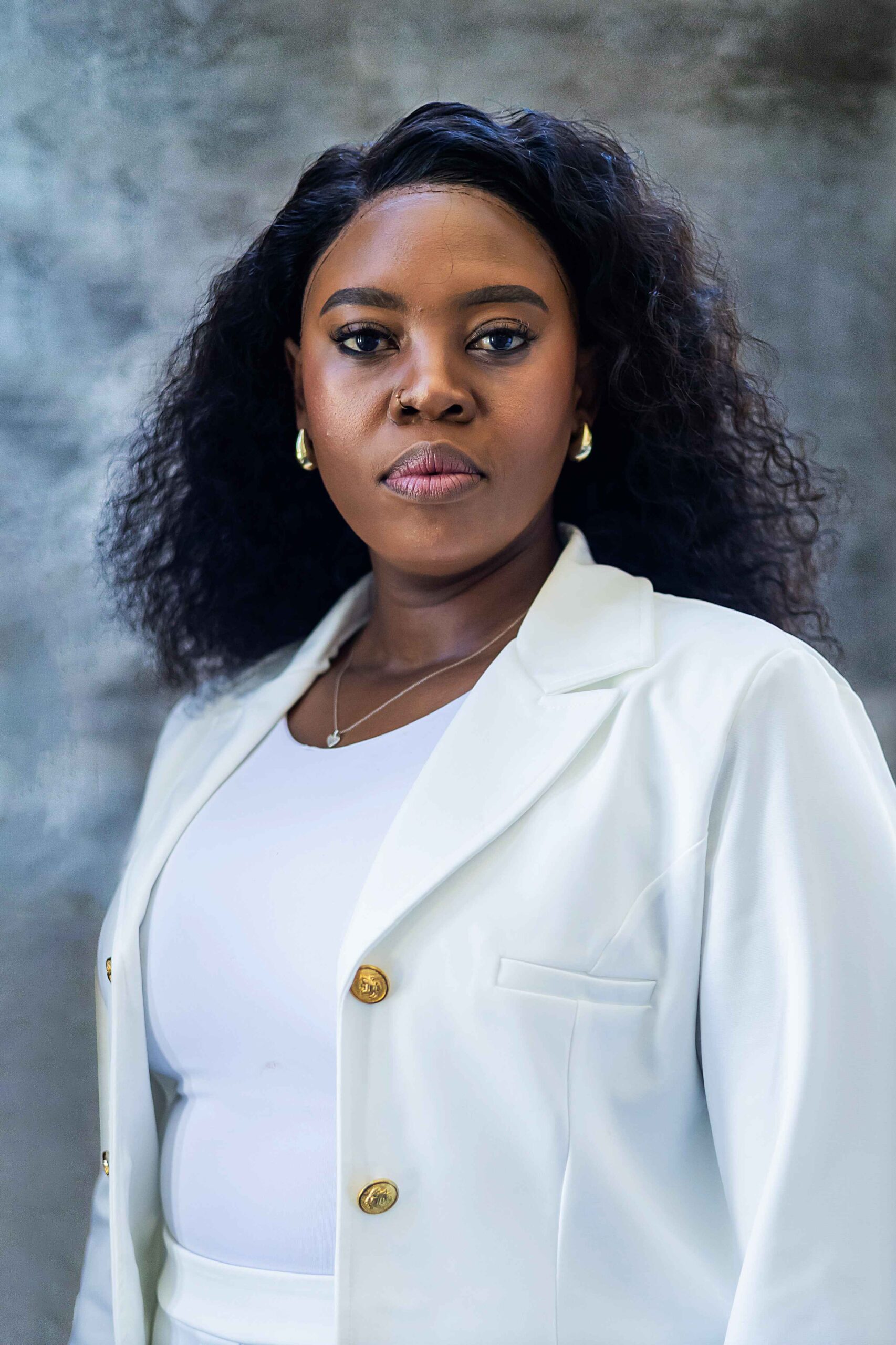
Nonhlanhla Yende
Gertrude