





















"Not that Carmen herself is by any stretch of the imagination an angel, but – my God! – what a fiery femme fatale she is, an honest-to-god feminist icon who lives and dies by her own rules, does what she chooses with her body, and would rather invite death than exist according to the demands of anything as pitiful as a man."

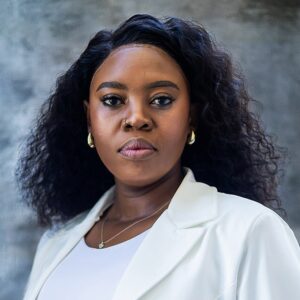
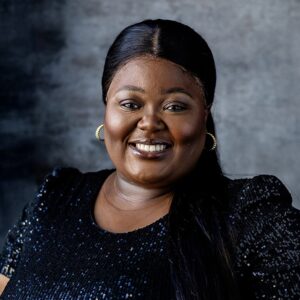
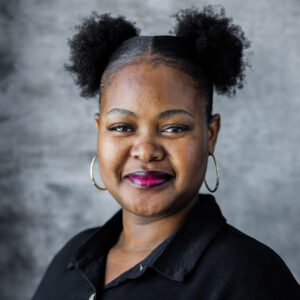
"As for the leads, Nonhlanhla Yende is radiantly authoritative as the voluptuous, alluring, playful, self-willed Carmen. Her potent stage presence and effortless mezzo dominate from the moment she appears, anything but an anticlimax after all the build-up preceding her first entry. Here we have a multifaceted portrayal of a complex and fascinating persona."

"For anyone coming to opera fresh, as I did, there is also a welcome surprise waiting: despite the tragedy of the story and the urgency of its setting, Carmen is frequently deliciously funny. Nobody warned me about that. And yet, the comedy never undercuts the darkness gathering underneath; if anything it sharpens it. By the time the final act arrives the audience has been lulled just enough to make the ending land with full force."

"Cape Town Opera (CTO) will present a new production of Bizet’s “Carmen” at the Artscape Opera House in Cape Town, with six performances running from May 19 to May 31, 2026.
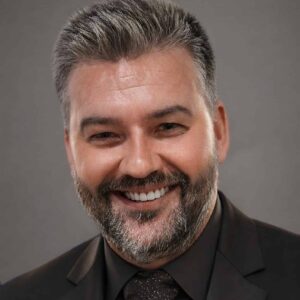
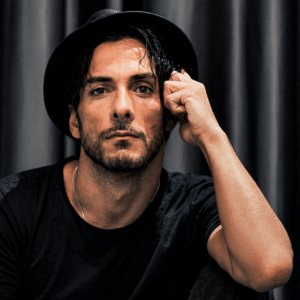
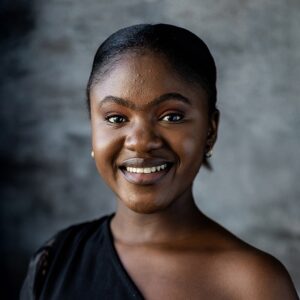
CTO House Soloist Nonhlanhla Yende sings the title role, with tenor Lukhanyo Moyake as Don José, baritone Conroy Scott as Escamillo, and guest artist Vuvu Mpofu as Micaëla. CTO House Soloist Brittany Smith appears as Frasquita and Judith Neilson Young Artist Khayakazi Madlala as Mercédès."