Inside The Story
Is Porgy and Bess a musical play or a true opera? Jazz or classical? Cultural appropriation or an authentic expression of Black American life in the post-slavery era? These questions have fuelled vigorous debate since the work’s premiere 90 years ago — and they remain part of what makes this piece so endlessly fascinating. As one of the first major American operas, it stands alone in the repertoire.
George Gershwin, already a celebrated jazz pianist and composer of standards, was eager to prove his classical credentials; he famously studied orchestration with Ravel long after achieving worldwide fame. His lifelong ambition to fuse jazz and classical idioms produced masterpieces such as Rhapsody in Blue, Concerto in F and An American in Paris. When he encountered Dubose Heyward’s novel and play, he recognised the perfect vehicle: a folk story that demanded a folk-music language.
The result was a sprawling grand opera that has never had a single definitive version. Directors, conductors and companies have spent decades refining questions of length, style and dramatic balance — especially the work’s bold blend of classical form with jazz, blues and spirituals. Dramatically, Porgy and Bess sits comfortably within the verismo tradition: real people, real struggles, immediate emotions. Its abrupt ending, with Porgy setting off alone, continues to provoke interpretation and debate.
Gershwin once said he hoped to “combine the drama of Carmen with the beauty of Meistersinger.” Whether he succeeded is something every audience member decides for themselves — though most leave the theatre humming some of the most unforgettable melodies of the 20th century.
Before
the curtain
Spotlight on our past
Director – Noa Naamat
Conductor – Kazem Abdullah
Jaguar Shanghai Symphony Hall
Meet The Artistic Team

Enrique Mazzola

Jan Hugo
Magdalene Minnaar
Malika Rosiland

Yaseen Manuel

Maritha Visagie
Meet The Cast
Siyabulela Ntlale

Nonhlanhla Yende
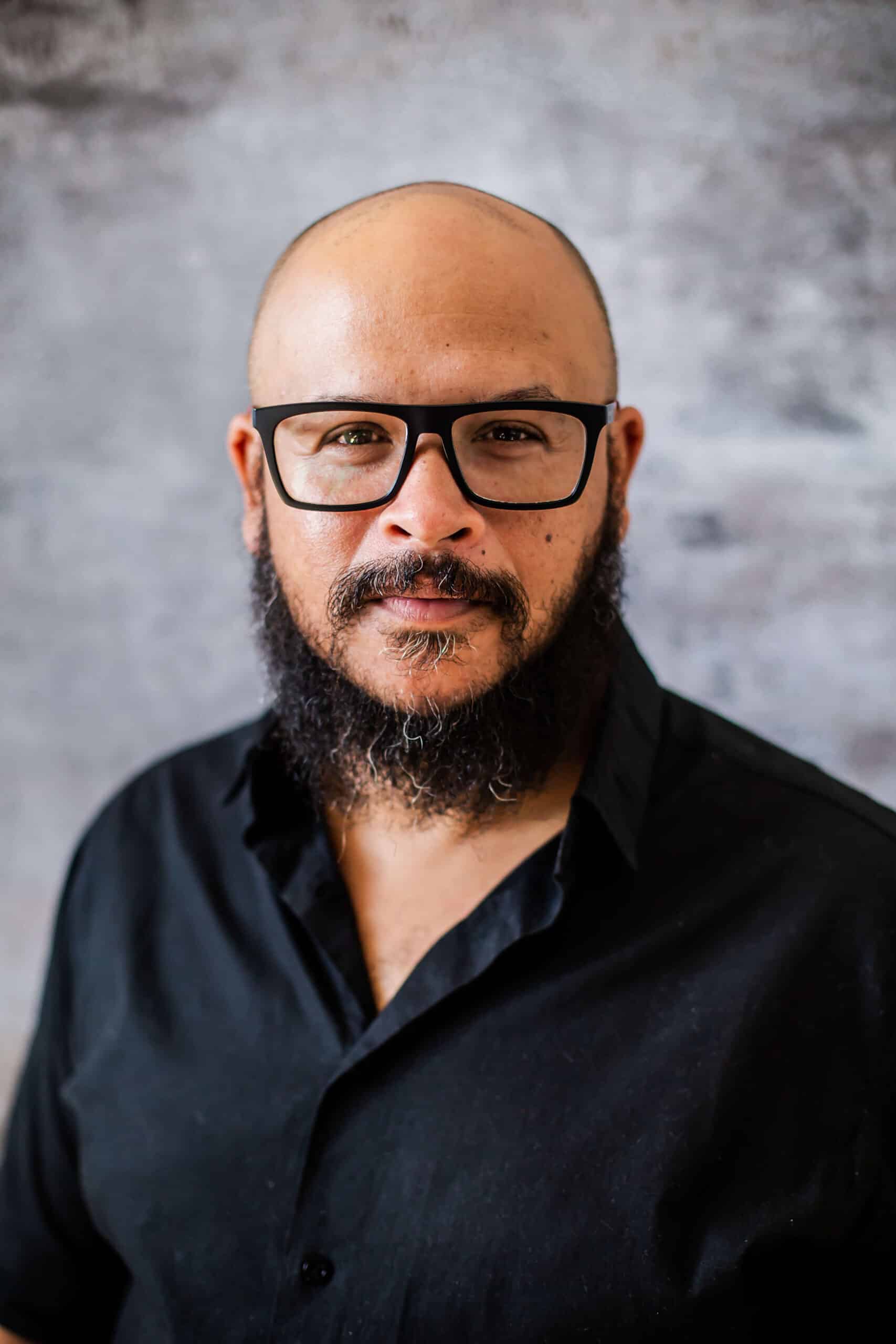
Conroyy Scott

Lukhanyo Moyake

Brittany Smith